નાના ખેડૂતો માટે AI આગાહી
3 વર્ષમાં 10 કરોડ નાના ખેડૂતો સુધી AI આધારિત હવામાન આગાહી પહોંચાડવા 6 કરોડ ડૉલરનું રોકાણ.
લાખો નાના ખેડૂતો માટે એક પાકની મોસમ નક્કી કરી શકે છે કે પરિવારને પૂરતું ખાવાનું મળશે, બાળકોનો અભ્યાસ ચાલુ રાખી શકાશે કે પછી દેવું કરવું પડશે. વિશ્વભરમાં લગભગ 50 કરોડ નાના પારિવારિક ખેતરો બે અબજથી વધુ લોકોની આજીવિકાનો આધાર છે. પાક નિષ્ફળ જાય તો તેમાંથી ઘણાં લોકો પાસે સહારો લેવા જેવું બહુ ઓછું કે કશું જ હોતું નથી.
આબોહવા પરિવર્તનને કારણે હવામાન વધુ અસ્થિર અને આત્યંતિક બનતાં, નાના ખેડૂતોને પોતાની આવક અને ખાદ્ય સુરક્ષા જાળવી શકે એવા નિર્ણયો લેવા માટે સમયસર અને વિશ્વસનીય હવામાન આગાહીની જરૂર છે. તેમ છતાં, ઓછી અને મધ્યમ આવક ધરાવતા દેશોના ઘણા ખેડૂતો માટે ઉચ્ચ ગુણવત્તાની આગાહી લાંબા સમયથી પહોંચની બહાર રહી છે. તેનું એક કારણ એ છે કે સચોટ હવામાન આગાહી બનાવવી અત્યંત ખર્ચાળ અને ખેડૂતો સુધી પહોંચાડવી વ્યવસ્થાપનની દૃષ્ટિએ જટિલ હતી.
AIમાં થયેલી તાજેતરની પ્રગતિ આ સ્થિતિ બદલી રહી છે. અત્યાધુનિક AI ધરાવતી હવામાન આગાહી પ્રણાલીઓ હવે પરંપરાગત મોડલ જેટલી કે તેનાથી વધુ સચોટ આગાહી બહુ ઓછા ગણન ખર્ચે કરી શકે છે. તેના કારણે વધુ સ્થાનિક આગાહીઓ મોટા પાયે ઉપલબ્ધ થાય છે અને ખેડૂતોને પોતાના પાક, આવક અને પરિવારનું રક્ષણ કરવા વહેલી માહિતી મળે છે. AIથી સજ્જ ખેડૂત ચેટબોટ અને સંબંધિત સાધનો ખેડૂતો સાથેનો સંવાદ પણ વધુ કાર્યક્ષમ અને અસરકારક બનાવી રહ્યાં છે.
આથી જ OpenAI Foundationની નાગરિક સમાજ અને પરોપકાર ટીમ AI આધારિત હવામાન અને પાકના રોગોની આગાહી સુધીની પહોંચ નોંધપાત્ર રીતે વધારવા 6 કરોડ ડૉલરનું રોકાણ કરી રહી છે. તેનાથી વધુ દેશો અને ખેડૂતોને આવી આગાહી મળશે અને હવામાન તથા પાકના રોગોના વધુ વિવિધ જોખમો આવરી લેવાશે. મોબાઇલ ફોન અને અન્ય માધ્યમો દ્વારા મળતી આ માહિતી લાખો વધુ ખેડૂતોને વાવણી, લણણી અને ખાતર આપવાનો યોગ્ય સમય નક્કી કરવામાં તથા હવામાનના જોખમ પહેલાં પગલાં લેવામાં મદદ કરી શકે છે.
6 કરોડ ડૉલરના આ કાર્યક્રમમાં છ અસાધારણ સંસ્થાઓ જોડાઈ છે: શિકાગો યુનિવર્સિટી, UC બર્કલી, પ્રિસિઝન ડેવલપમેન્ટ, AIM ફોર સ્કેલ (જેને યુનિવર્સિટી ઑફ નોટ્ર ડેમ દ્વારા ભંડોળ મળશે), ડિજિટલ ગ્રીન અને આંતરરાષ્ટ્રીય મકાઈ અને ઘઉં સુધારણા કેન્દ્ર (CIMMYT). રાષ્ટ્રીય અને સ્થાનિક સરકારો તથા સંસ્થાઓ સાથે ગાઢ ભાગીદારીમાં કામ કરીને, આ સંસ્થાઓ આગામી ત્રણ વર્ષમાં દક્ષિણ અને દક્ષિણપૂર્વ એશિયા તથા પૂર્વ આફ્રિકાના 10 કરોડ નાના ખેડૂતો સુધી હવામાન અને પાકના રોગોની આગાહી પહોંચાડવાના સરકારના પ્રયાસોને ટેકો આપશે
હવામાનની અનિશ્ચિતતાની કિંમત
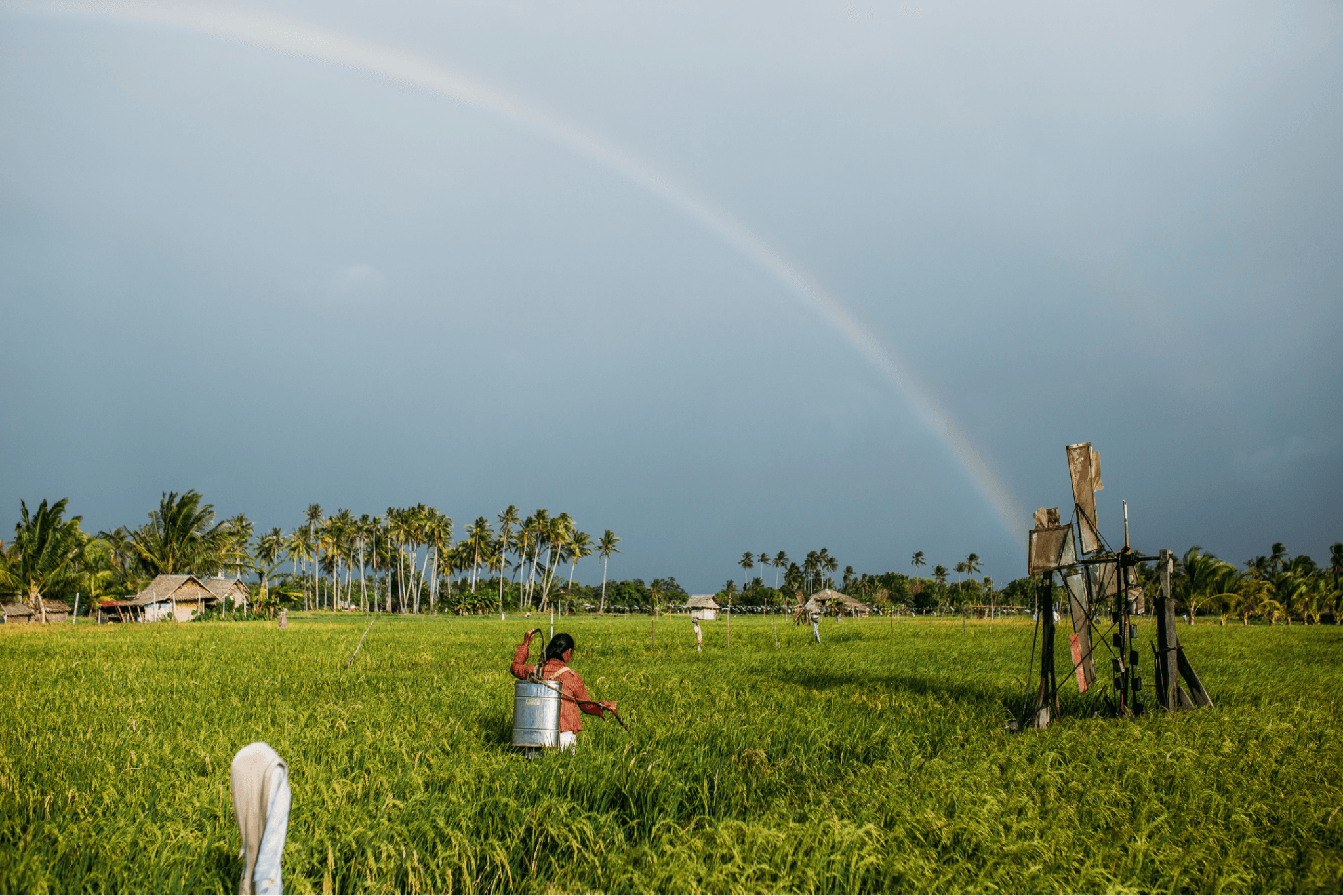
નાના ખેતરો વિશ્વના લગભગ એક તૃતીયાંશ ખાદ્યપદાર્થોનું ઉત્પાદન કરે છે અને મોટા પાયે પાકનું નુકસાન સમગ્ર દેશોની ખાદ્ય સુરક્ષાને જોખમમાં મૂકી શકે છે. હવામાન ખેડૂતોની આવકમાં અસ્થિરતાનું મુખ્ય કારણ છે. ચોમાસું આવી ગયું હોવાનો ખોટો સંકેત ખેડૂતોને બહુ વહેલી વાવણી કરવા પ્રેરે છે અને પછીના સૂકા ગાળામાં પાક નાશ પામી શકે છે, જ્યારે લણણી સમયે અણધાર્યો વરસાદ પાક ઉતારતાં પહેલાં જ તેને બગાડી શકે છે. આફ્રિકાના છ દેશોમાં થયેલા એક અભ્યાસમાં જાણવા મળ્યું કે સામાન્ય વર્ષમાં પ્રતિકૂળ આબોહવાની ઘટનાઓ નમૂનામાં સમાવાયેલ લગભગ એક તૃતીયાંશ ખેતરોને અસર કરે છે અને રાષ્ટ્રીય પાક ઉત્પાદન સરેરાશ 29% ઘટાડે છે. નાસાના ઉપગ્રહના આંકડા દર્શાવે છે કે પૃથ્વી ગરમ થવાની સાથે આવી આબોહવાની ઘટનાઓ વધુ તીવ્ર બની રહી છે.
AI પહેલાં સચોટ હવામાન આગાહી મોંઘા સુપરકમ્પ્યુટર પર ચાલતા આંકડાકીય મોડલ પર આધારિત હતી. તેથી ઓછી અને મધ્યમ આવક ધરાવતા ઘણા દેશોની હવામાન કચેરીઓ માટે આવી પ્રણાલીઓ ચલાવવી મોટાભાગે શક્ય નહોતી. આવી આગાહી જ્યાં ઉપલબ્ધ હતી ત્યાં પણ તેને ઘણી વાર ખેડૂત અમલમાં મૂકી શકે એવી ઉપયોગી માહિતીમાં ફેરવવામાં આવતી નહોતી.
હવે અત્યાધુનિક AIએ હવામાન આગાહીમાં બીજી ક્રાંતિ સર્જી છે. આ આગાહીઓ વાતાવરણના વિશાળ પ્રમાણના ડેટા પર તાલીમ પામેલા AI મોડલથી તૈયાર થાય છે. હવે તે ઘણી વાર પરંપરાગત આગાહી મોડલ જેટલી અથવા તેનાથી પણ વધુ સચોટ હોય છે અને તેને ગણન શક્તિનો માત્ર થોડો અંશ જ જોઈએ છે. તેનાથી ઓછી અને મધ્યમ આવક ધરાવતા દેશોમાં વાવણી, લણણી અને ખાતર આપવું કે નહીં અને ક્યારે આપવું તે નક્કી કરતા નાના ખેડૂતો માટે ખાસ તૈયાર કરેલી આગાહીઓ મોટા પાયે બનાવવાનો માર્ગ ખૂલે છે.
AI હવામાન આગાહીમાં આવેલી ક્રાંતિને કારણે સરકારો હવે ખેડૂતોની ચોક્કસ કૃષિ જરૂરિયાતોને અનુરૂપ સચોટ આગાહીઓ પ્રસારિત કરી શકે છે. આ ઓછા ખર્ચની અને પુરાવાથી સમર્થિત પદ્ધતિ ખેડૂતોને તેમના સંજોગો અને લેવાના નિર્ણયો માટે સુસંગત આગાહીઓ આપી શકે છે.
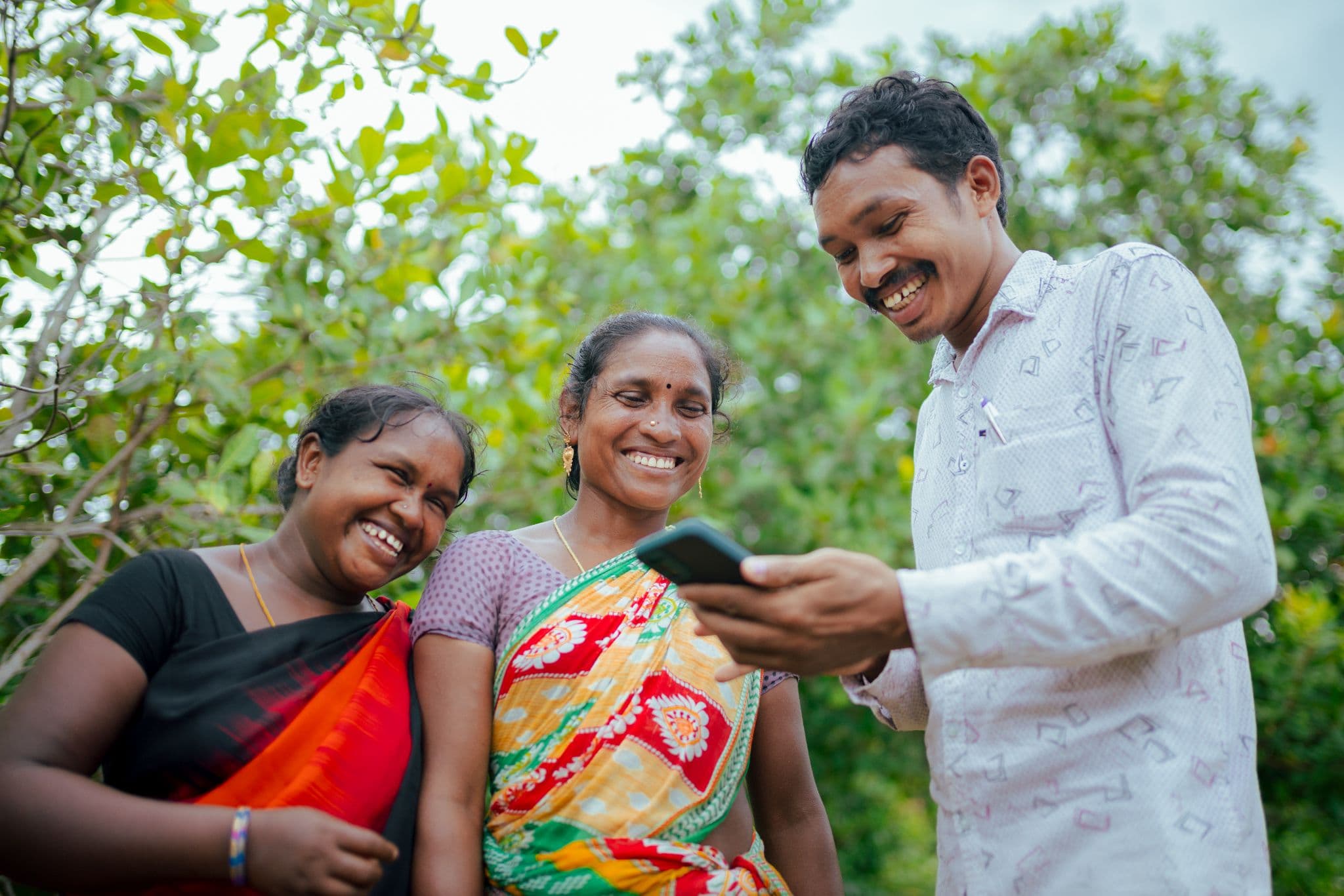
તસવીર સૌજન્ય: ડિજિટલ ગ્રીન ફાઉન્ડેશન
AIમાં થયેલી આ પ્રગતિથી એવી અનેક પદ્ધતિઓ શક્ય બને છે, જે એકસાથે નાના ખેડૂતોને પરવડે એવા ખર્ચે હવામાન આગાહી પૂરી પાડે છે:
AI આધારિત આગાહી પ્રણાલીઓ ઐતિહાસિક રીતે વપરાતી પ્રણાલીઓની તુલનામાં ઘણા ઓછા ખર્ચ, સમય અને ગણન શક્તિથી હવામાનની આગાહી કરવામાં મદદ કરે છે.
AI હવામાન મોડલની ઝડપ અને કાર્યક્ષમતાને કારણે અનેક શ્રેષ્ઠ મોડલને જોડીને કોઈ એક મોડલ કરતાં વધુ સચોટ હવામાન આગાહી કરી શકાય છે. મોડલમાં સ્થાનિક પર્યાવરણીય ડેટા ઉમેરાતાં સચોટતા હજી વધુ સુધરે છે.
હવામાન સંશોધકો AI મોડલને ખેડૂતોને અનુરૂપ લક્ષ્યો માટે વધુ ચોક્કસ રીતે તાલીમ આપી શકે છે, જેમ કે વાવણી શક્ય બને એટલા પ્રમાણમાં વરસાદ કઈ તારીખે શરૂ થશે. તેનાથી અગાઉ પહોંચની બહાર રહેલી, નિર્ણયો માટે ઉપયોગી આગાહી શક્ય બને છે.
AI આધારિત અવાજ સેવા, SMS અને ચેટબોટ ખેડૂતોને તેમની પોતાની ભાષામાં સીધી આગાહી પહોંચાડે છે. ખેડૂતો તેનો ઉપયોગ તેમની જમીન પર ખરેખર શું બન્યું, આગાહી સાચી હતી કે નહીં અને પાકના જોખમનો સામનો કરવામાં સલાહ ઉપયોગી રહી કે નહીં તે અંગે સીધો પ્રતિસાદ આપવા પણ કરી શકે છે.
ઘણાં અવ્યવસ્થિત પસંદગી આધારિત પરીક્ષણોમાં આશાસ્પદ પુરાવા મળ્યા છે કે સમયસર આગાહી મળતાં ખેડૂતો શું અને ક્યારે વાવવું, ખર્ચવું અને રોકાણ કરવું તે અંગે અલગ અને વધુ સારા નિર્ણયો લે છે. આ નિર્ણયો તેમની આવક વધારી અને પાકનું નુકસાન ઘટાડી શકે છે (બર્લિગ અને અન્ય, 2025; કોલ, ગોલ્ડબર્ગ, હરિગાયા & ઝુ, 2025; રડર & વિવિયાનો, કાર્યપત્ર).
ઉષ્ણકટિબંધીય પ્રદેશોના અબજો લોકો લાંબા સમયથી પોતાની જરૂરિયાતને અનુરૂપ ઉચ્ચ ગુણવત્તાની હવામાન આગાહીથી વંચિત રહ્યા છે. આ રોકાણ કડક પુરાવા આધારિત પદ્ધતિઓથી ચોમાસા, ગરમીના મોજાં અને વરસાદ વિશે વ્યવહારુ માહિતી પહોંચાડવાનું વચન આપે છે, જે વધતી આબોહવા અસ્થિરતાના સમયમાં લોકોની આજીવિકા સુધારી શકે છે.
આ કામગીરી કેવી રીતે એકસાથે જોડાય છે
અમારું 6 કરોડ ડૉલરનું રોકાણ આગાહી બનાવવાથી લઈને ખેડૂત સુધી પહોંચાડવાની સમગ્ર પ્રક્રિયામાં કામ કરતી સંસ્થાઓને સાથે લાવે છે:
હવામાનની આગાહી તૈયાર કરવી: શિકાગો યુનિવર્સિટી અને UC બર્કલી રાષ્ટ્રીય હવામાન સંસ્થાઓને ખેડૂતો માટે ઉપયોગી આગાહી બનાવવા AI હવામાન મોડલને સ્થાનિક જરૂરિયાતો અનુસાર ઢાળવા અને કાર્યરત કરવામાં મદદ કરશે. પ્રારંભિક આગાહીઓમાં ચોમાસાનું આગમન અને વિદાય, લણણી સંબંધિત વરસાદ, મધ્યમ ગાળાનો વરસાદ અને આત્યંતિક ગરમીનો સમાવેશ થશે. હવામાનની સાથે CIMMYT ઘઉંના રોગકારકોની આગાહી કરવાની પોતાની ક્ષમતામાં રોકાણ કરશે અને AI તથા નાસાના પૃથ્વી-અવલોકન ડેટાનો ઉપયોગ કરીને રોગચાળો વહેલો શોધશે.
ખેડૂતો સુધી આગાહી અને સંબંધિત ઉપયોગી માહિતી પહોંચાડવી: પ્રિસિઝન ડેવલપમેન્ટ સરકારો અને નાગરિક સમાજની સંસ્થાઓ સાથે મળીને આ આગાહીઓને વ્યવહારુ સલાહમાં ફેરવશે અને વિશ્વસનીય માધ્યમો દ્વારા ખેડૂતો સુધી પહોંચાડશે. ડિજિટલ ગ્રીન 21 લાખથી વધુ ખેડૂતો વાપરે છે એવી તેની AI કૃષિ સલાહકાર ઍપ FarmerChatમાં સુધારેલી આગાહીઓ જોડશે અને ખેડૂતોનો પ્રતિસાદ આગાહી ટીમો સુધી પાછો પહોંચાડશે. વિતરણ ટીમો ચર્ચા જૂથો, A/B પરીક્ષણો અને અસરના મૂલ્યાંકન દ્વારા સંદેશની રચના, સમજણ, વિશ્વાસ અને તેના આધારે લેવાતાં પગલાંનું પરીક્ષણ કરશે.
આ કામગીરીને ટકાવી રાખવી: AIM ફોર સ્કેલ સરકારો અને વિકાસ બેન્કો સાથે મળીને આ સેવાઓ ચાલુ રાખવા અને વધુ દેશોમાં વિસ્તારવા માટે જરૂરી ભાગીદારી અને નાણાકીય વ્યવસ્થા ઊભી કરશે. અંતિમ લક્ષ્ય લાંબા ગાળાનું જાહેર માળખું ઊભું કરવાનું છે, જેમાં રાષ્ટ્રીય હવામાન અને કૃષિ સંસ્થાઓ સેવાઓ ચલાવે તથા સરકારો અને વિકાસ બેન્કો તેના સતત વિતરણ માટે ભંડોળ પૂરું પાડે.
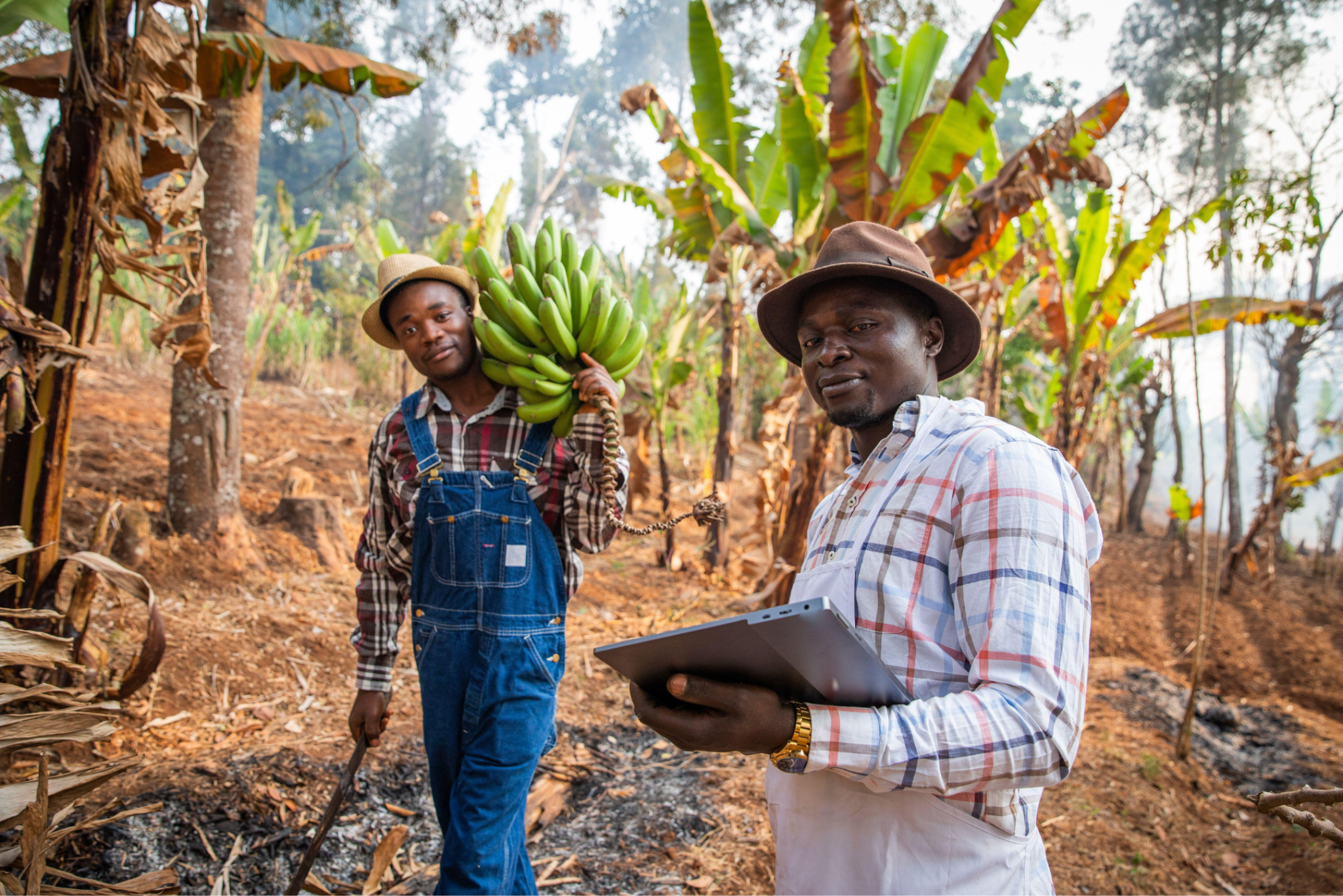
ફાઉન્ડેશને આ સંસ્થાઓને તેમના કાર્યક્ષેત્રમાં નેતૃત્વ, તેઓ જ્યાં કામ કરે છે ત્યાંની સ્થાનિક સરકારી સંસ્થાઓ અને સમુદાયો સાથે અસરકારક સહકારનો અનુભવ, પુરવાર થયેલી અસર અને આ મહત્ત્વાકાંક્ષી પહેલ પર સાથે કામ કરવાની ક્ષમતાને આધારે પસંદ કરી છે. અમારું 6 કરોડ ડૉલરનું રોકાણ આ કામગીરીને આગળ વધારે છે અને વિસ્તારે છે. તેમાં પાકના રોગોની આગાહી જેવી નવી ક્ષમતાઓ ઉમેરવી, આગાહીને નવા વિશ્વસનીય માધ્યમો સાથે જોડવી અને વધુ દેશોમાં તેનો વિસ્તાર કરવો સામેલ છે. આ કામગીરીનું લક્ષ્ય 10 કરોડ ખેડૂતોને જરૂરના સમયે વધુ સારી માહિતી આપવાનું છે, જેથી તેઓ નુકસાન ટાળી શકે અને વધુ ઊંચી તથા સ્થિર આવક તરફ દોરી શકે એવાં રોકાણ કરી શકે.
આગળ વધતાં, અદ્યતન AI મોડલ દ્વારા આ પ્રગતિને આગળ લઈ જવાની તક છે. તેનાથી મોટા પાયે વધુ સચોટ અને સ્થાનિક આગાહીઓ બનાવીને પુરાવા આધારિત પદ્ધતિઓથી ખેડૂતો સુધી પહોંચાડી શકાશે. કઈ પદ્ધતિ અસરકારક છે તે વિશે હજી ઘણું શીખવાનું બાકી છે. હવામાન આગાહી પ્રણાલીઓ માટે સ્વતંત્ર માપદંડ, પ્રતિસાદ, સ્થાનિક મૂલ્યાંકન અને વિવિધ દેશો તથા પાકોને અનુરૂપ ફેરફાર પણ જરૂરી રહેશે.
OpenAI Foundationની વ્યાપક કામગીરીનો ભાગ
આ રોકાણ અમારી નાગરિક સમાજ અને પરોપકાર કામગીરી દ્વારા હાથ ધરાયેલી OpenAI Foundationની બીજી પહેલ છે. અમારું લક્ષ્ય એ સુનિશ્ચિત કરવામાં મદદ કરવાનું છે કે AIના લાભો વિશ્વભરના લોકો અને સમુદાયો સુધી પહોંચે, ખાસ કરીને ત્યાં જ્યાં વધુ સારા સાધનો, માહિતી અને જાહેર હિતનું માળખું આવશ્યક સેવાઓ તથા આર્થિક તકો સુધારી શકે.
આ સમગ્ર કામગીરીમાં અમે નીચેના મુદ્દાઓ પર ધ્યાન આપીશું:
જ્યાં AI આવશ્યક સેવાઓ સુધીની પહોંચ અને પરિણામોમાં અર્થપૂર્ણ સુધારો કરી શકે ત્યાં તેનો ઉપયોગ કરવો.
નાગરિક સમાજની સંસ્થાઓને જવાબદારીપૂર્વક AI અપનાવવા માટે સાધનો, નિષ્ણાત જ્ઞાન અને સહાય આપવી.
સફળ સાધનો અને શીખેલા પાઠથી સમગ્ર સામાજિક ક્ષેત્રને લાભ મળે એવું સહિયારું માળખું ઊભું કરવું.
આ કામગીરી વિકસાવતાં અમે વિશ્વભરના સમુદાયો, નેતાઓ અને સર્જકો સાથે સતત સંવાદ કરતા રહીશું. અમારી ટીમનો સંપર્ક કરવા [email protected] પર લખો.